
The annual meeting is a chance to review our past year, celebrate our successes, and look toward our bright future ahead. Held October 9, 2026 it was an evening of delicious food and camaraderie. Co-op owners, their family, and friends joined staff for this free event.
Guests heard from General Manager and Board of Trustees, reviewed our annual report, and enjoyed a keynote presentation by Board Vice President, Tyler Chism. Attendees also had the chance to get a live portrait by local artist, Irene Rex! These will be made into an art piece for our store.
Scroll all the way down for more!
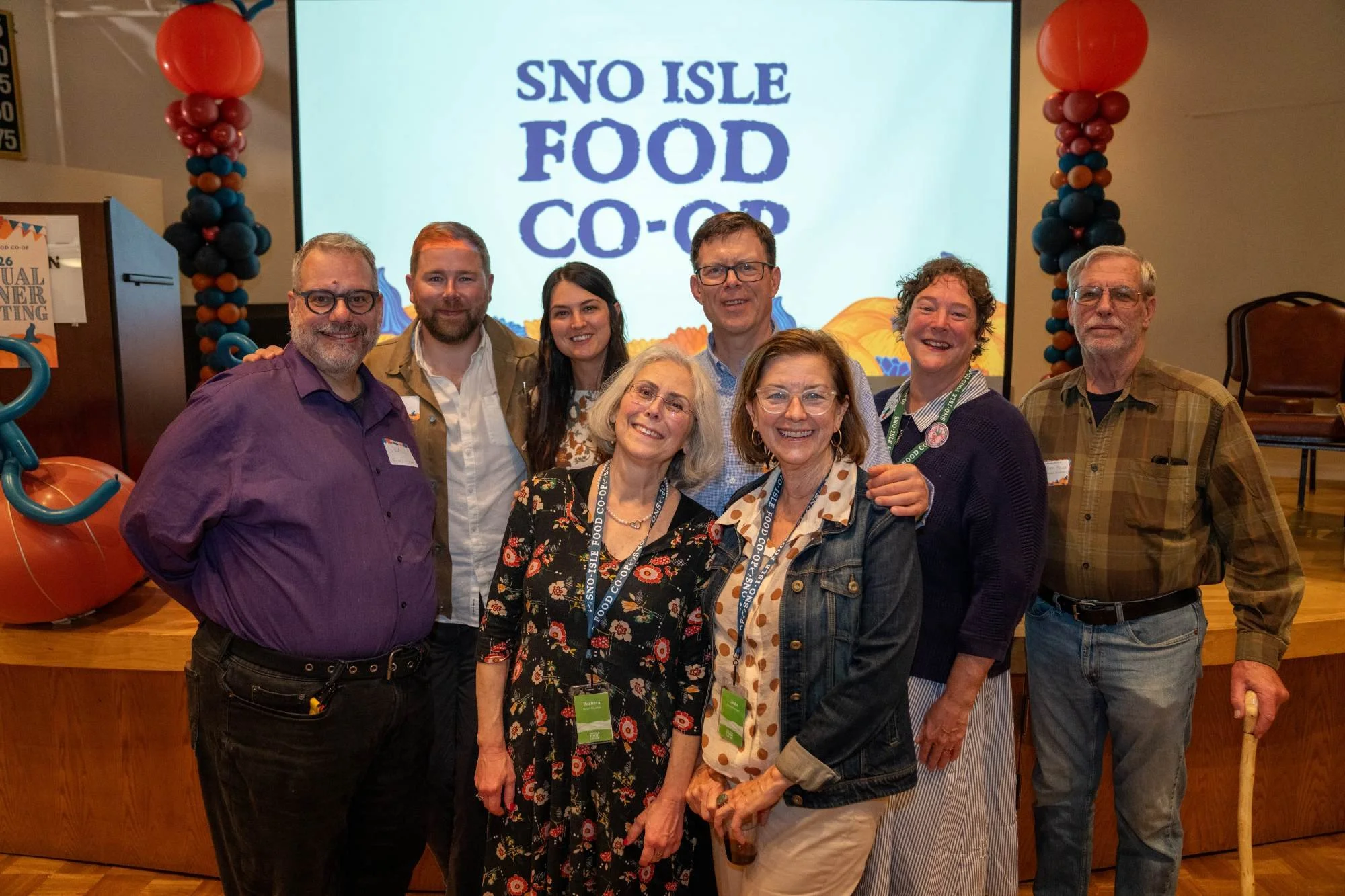
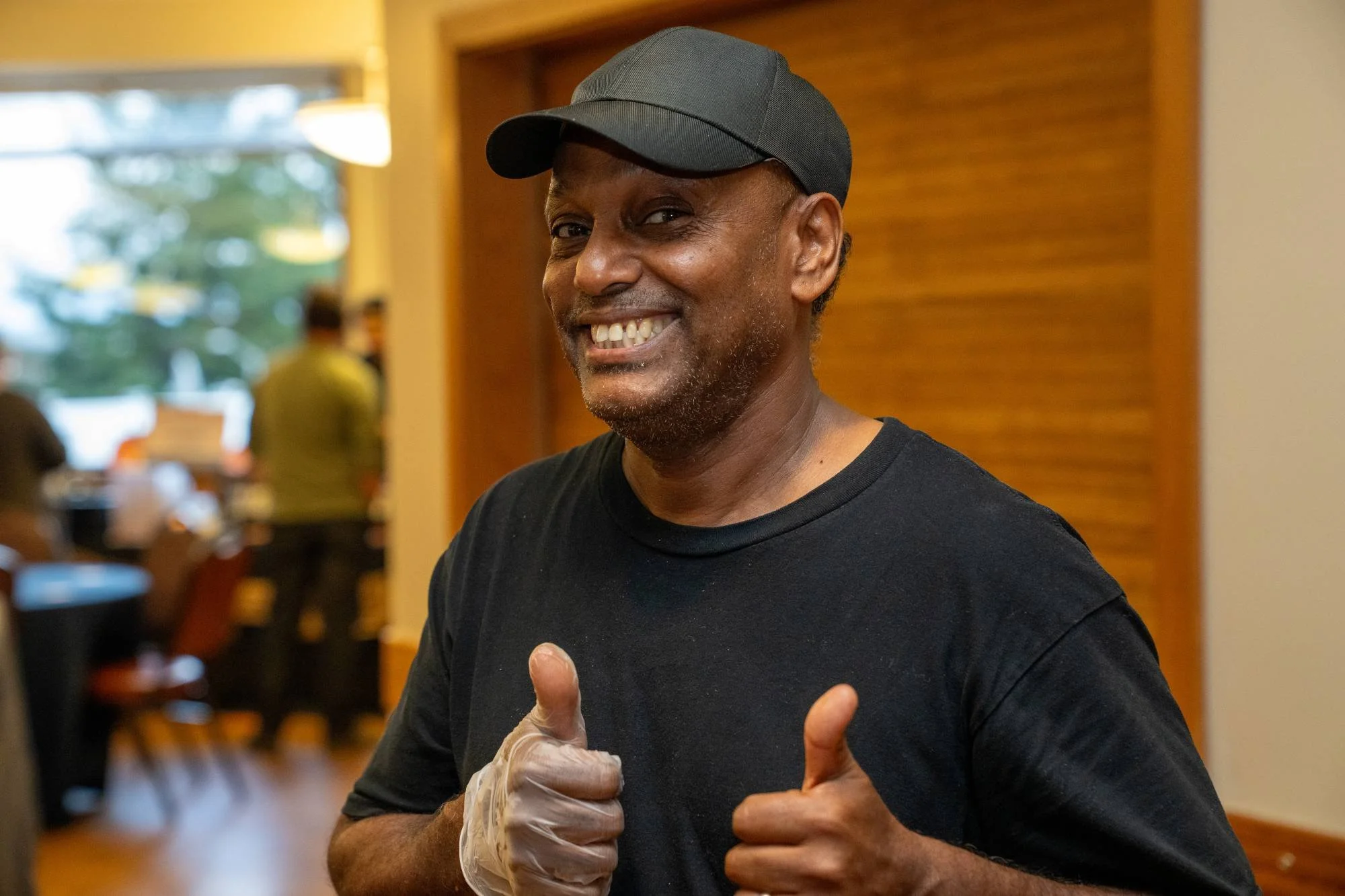
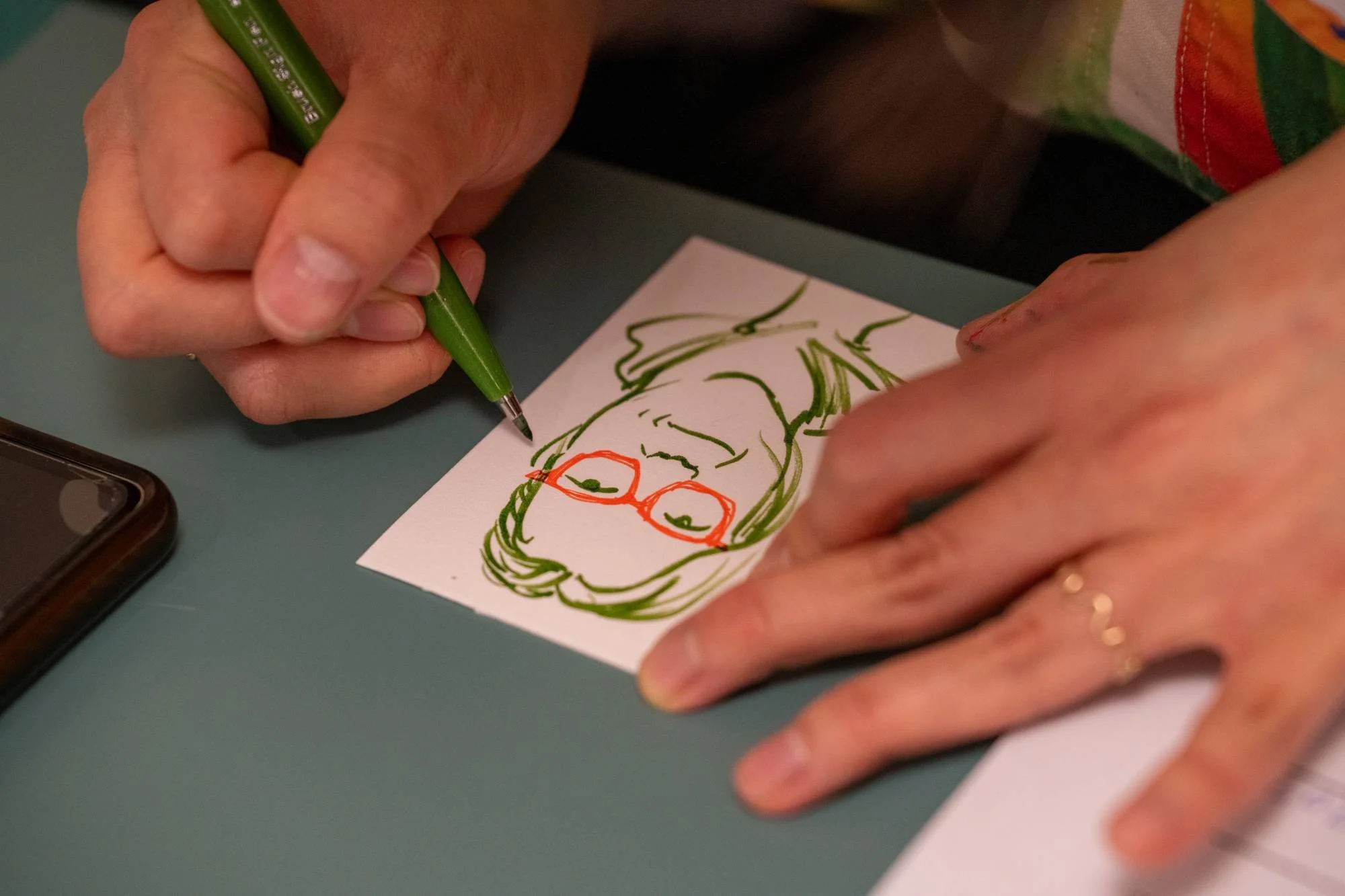
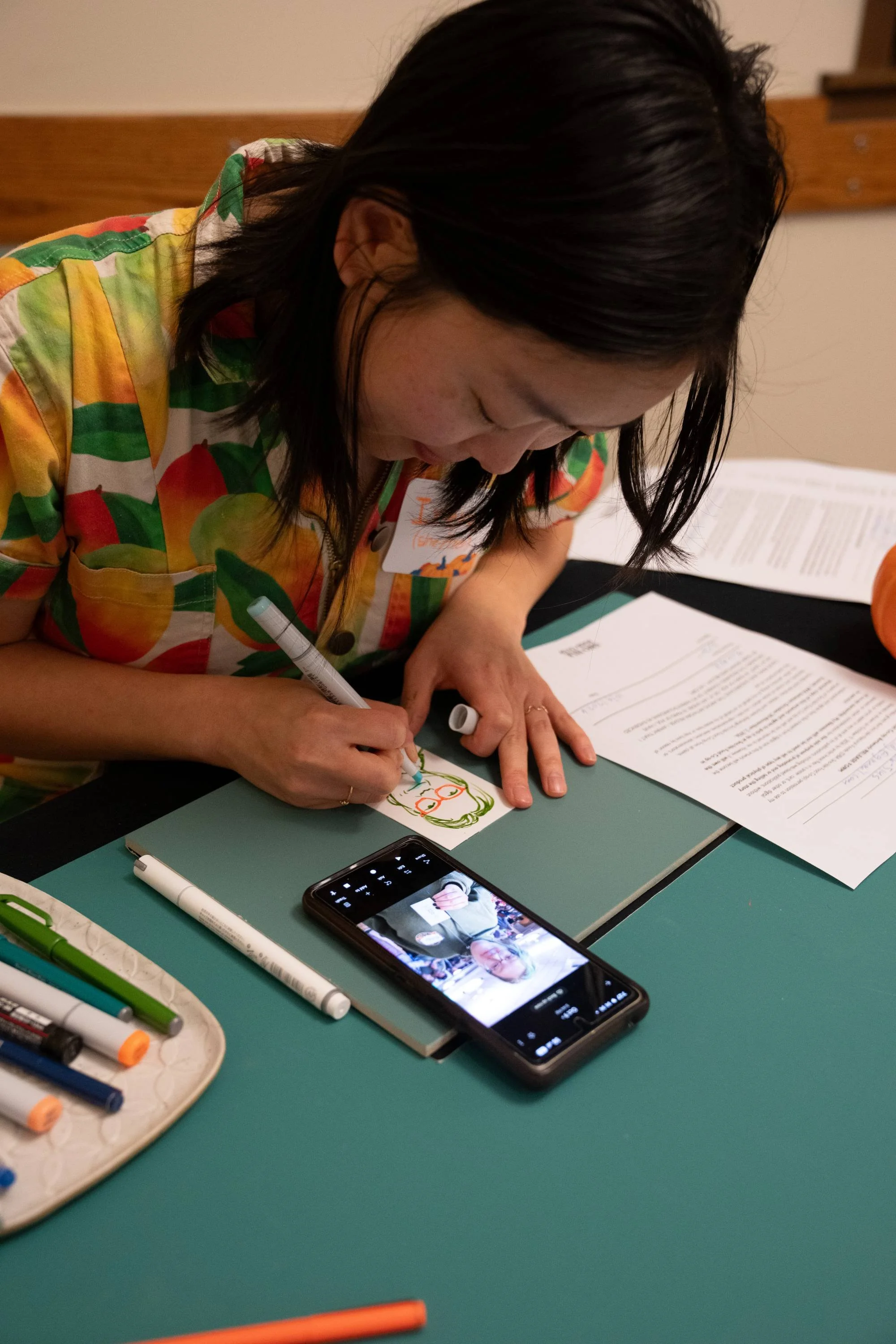

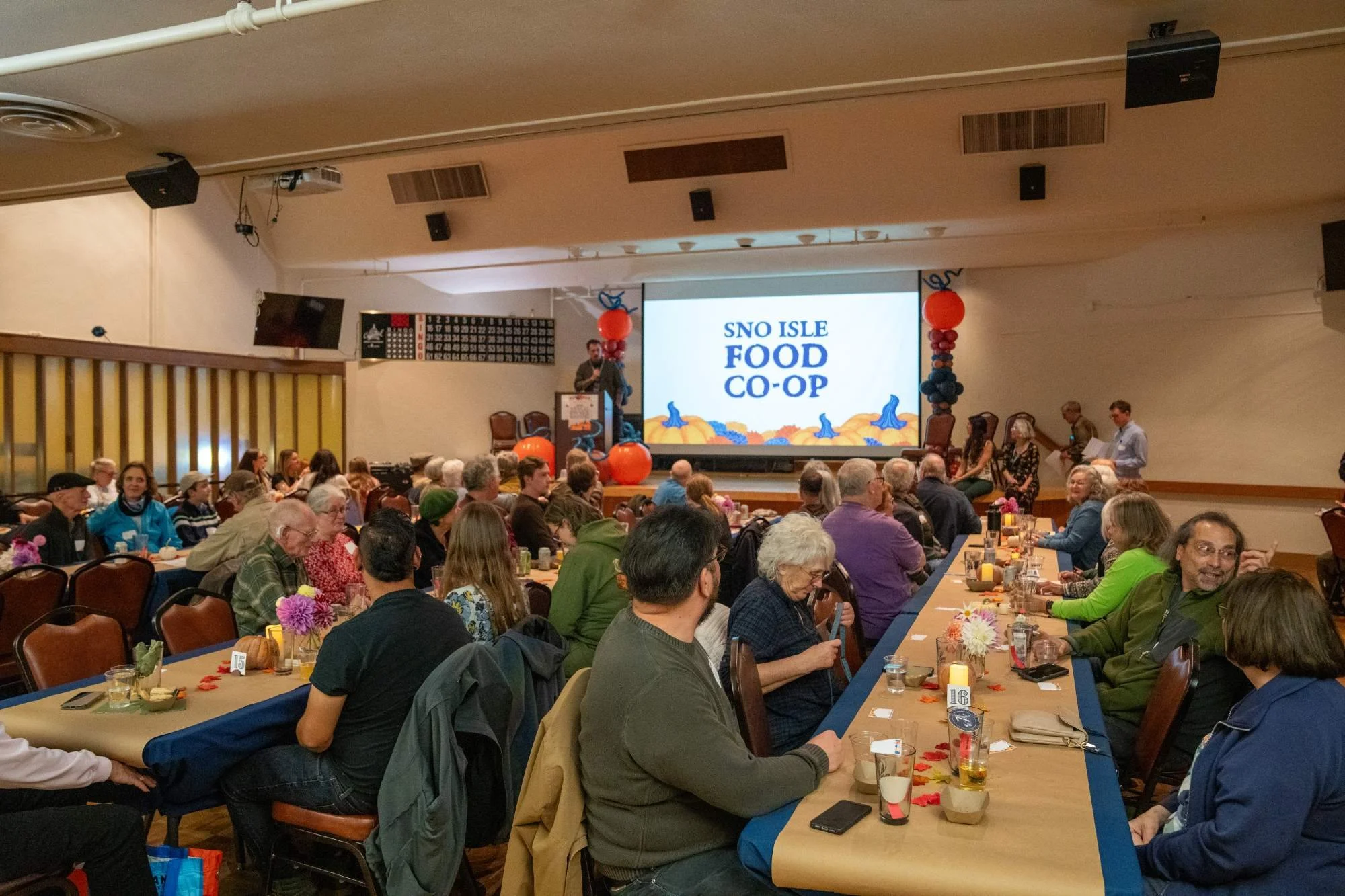
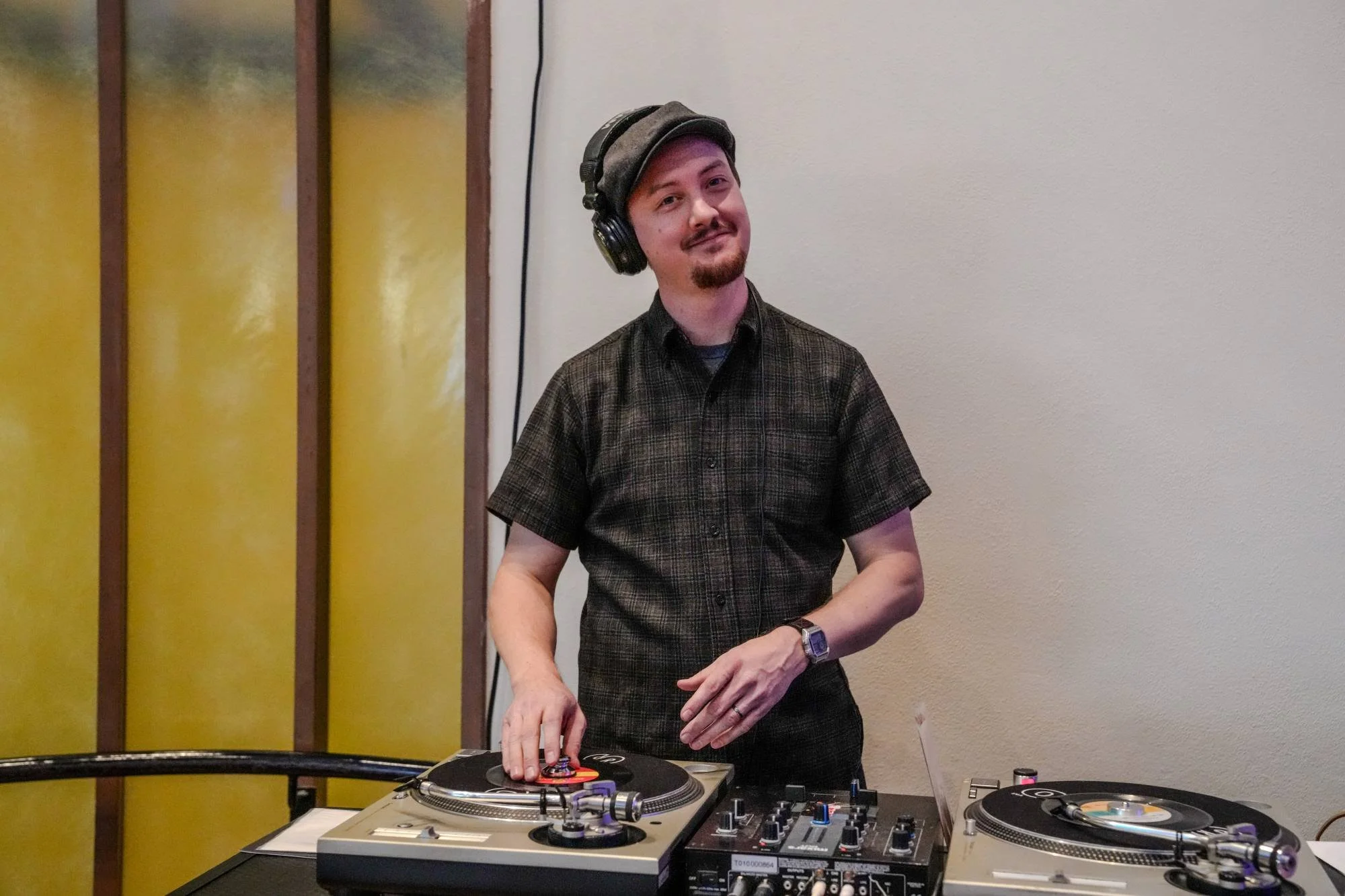
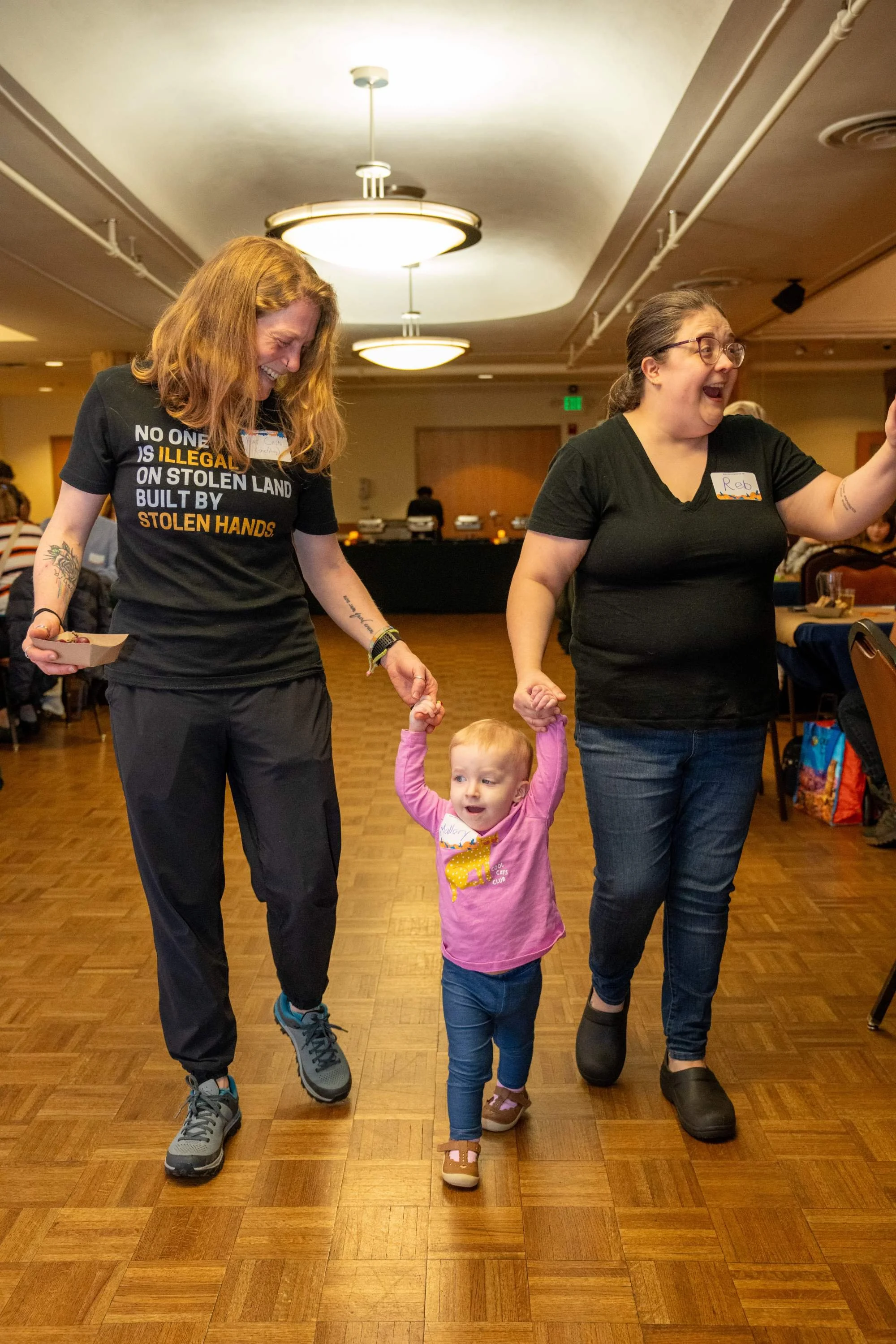
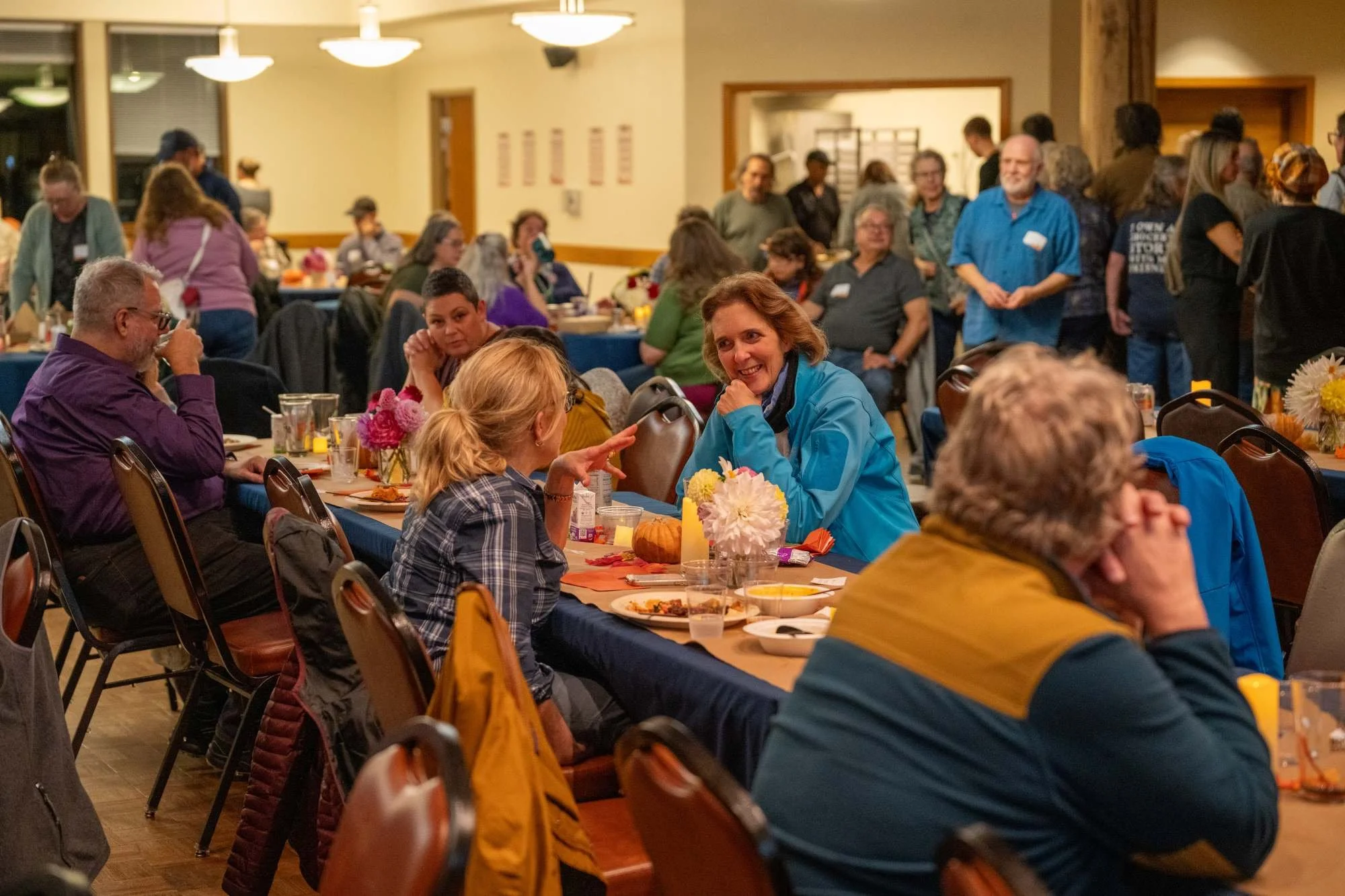
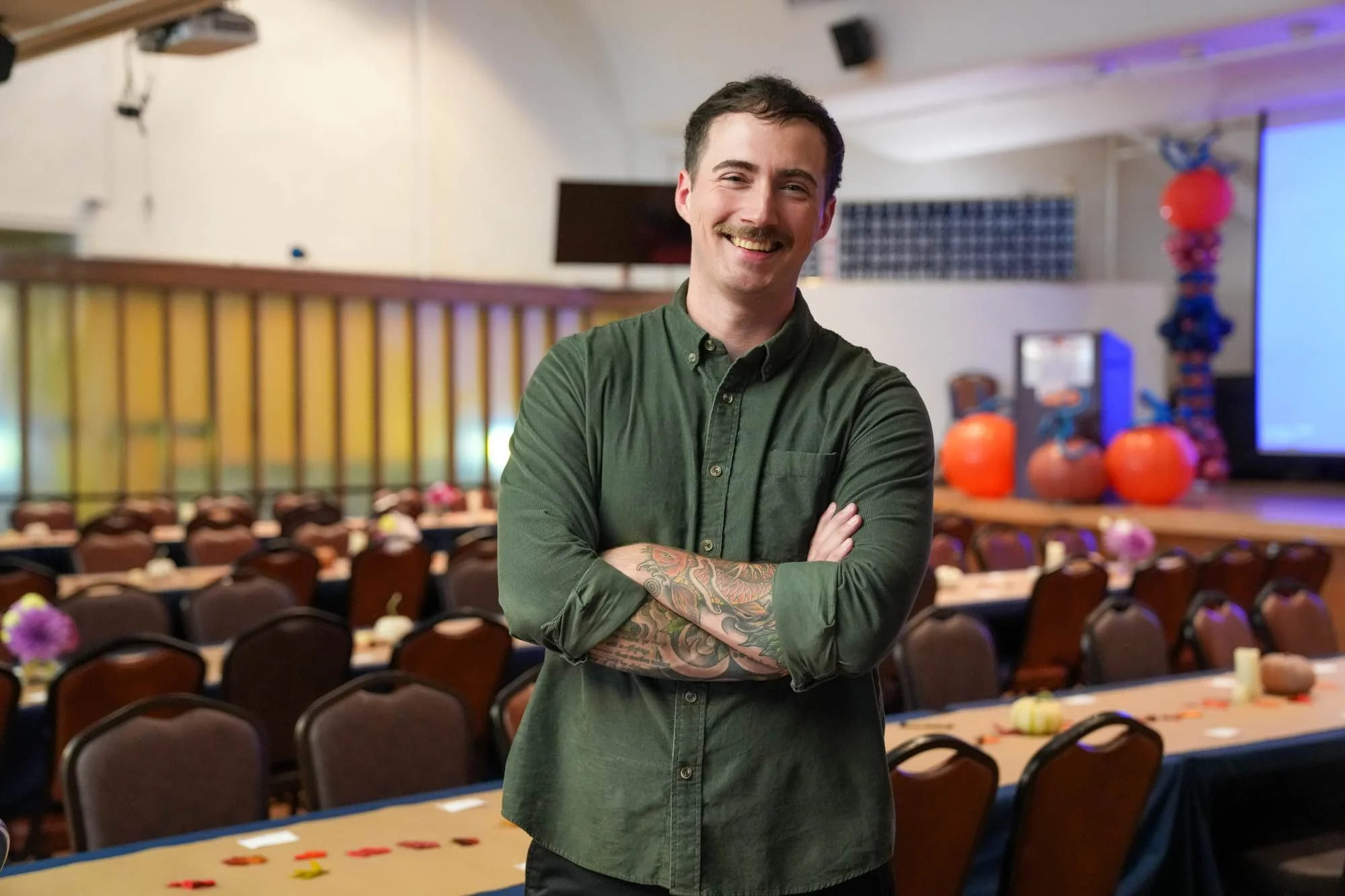
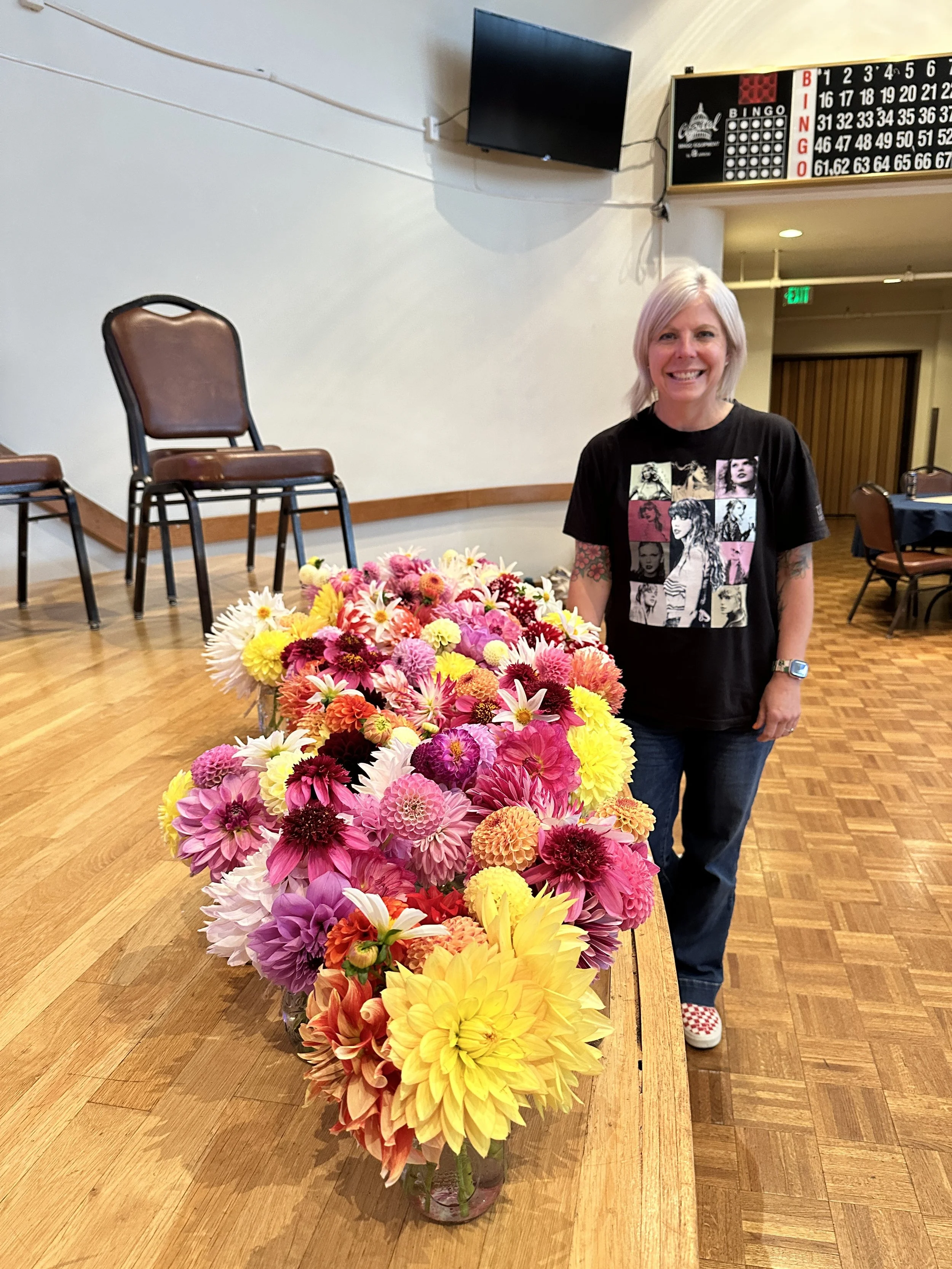
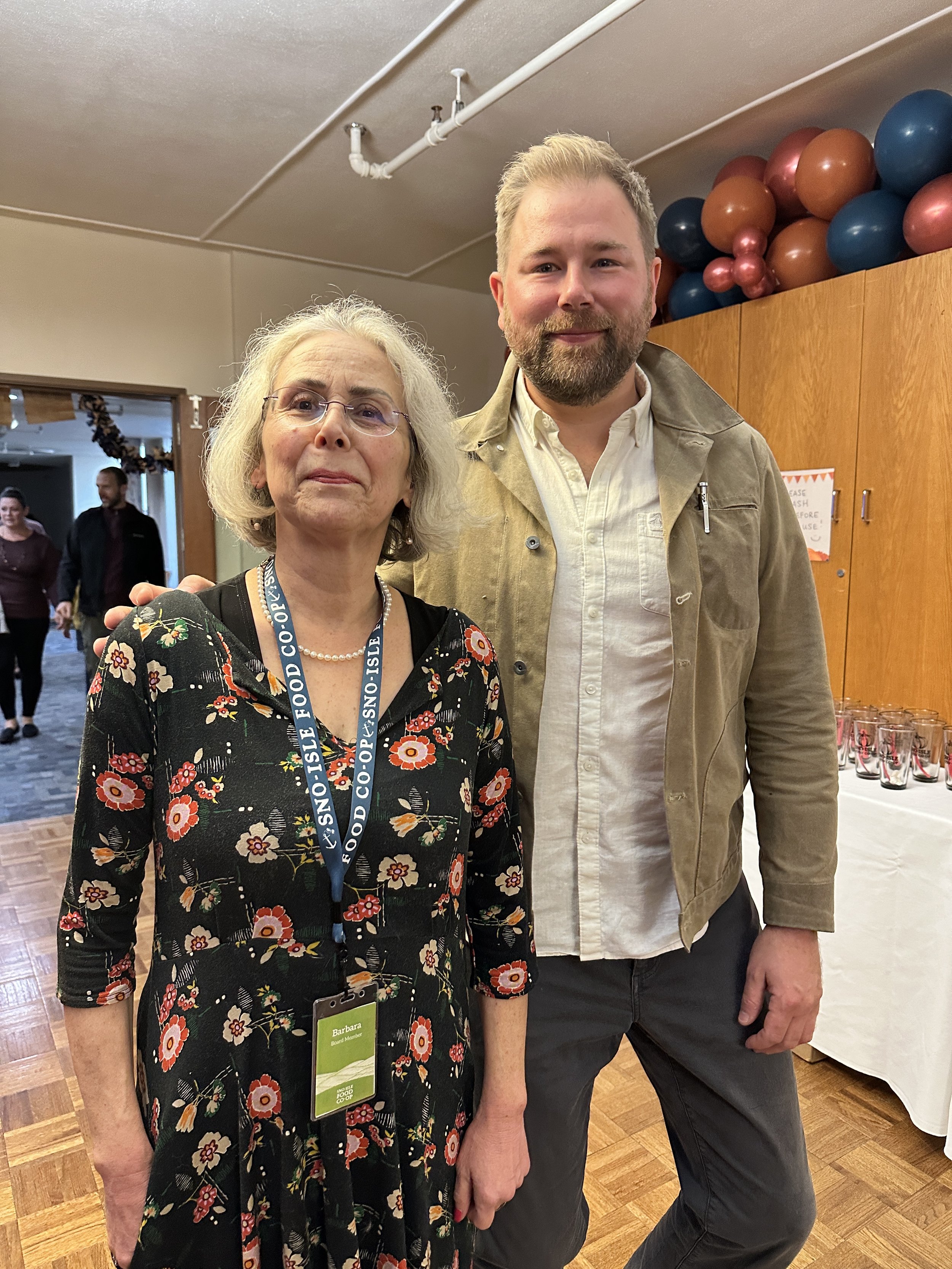
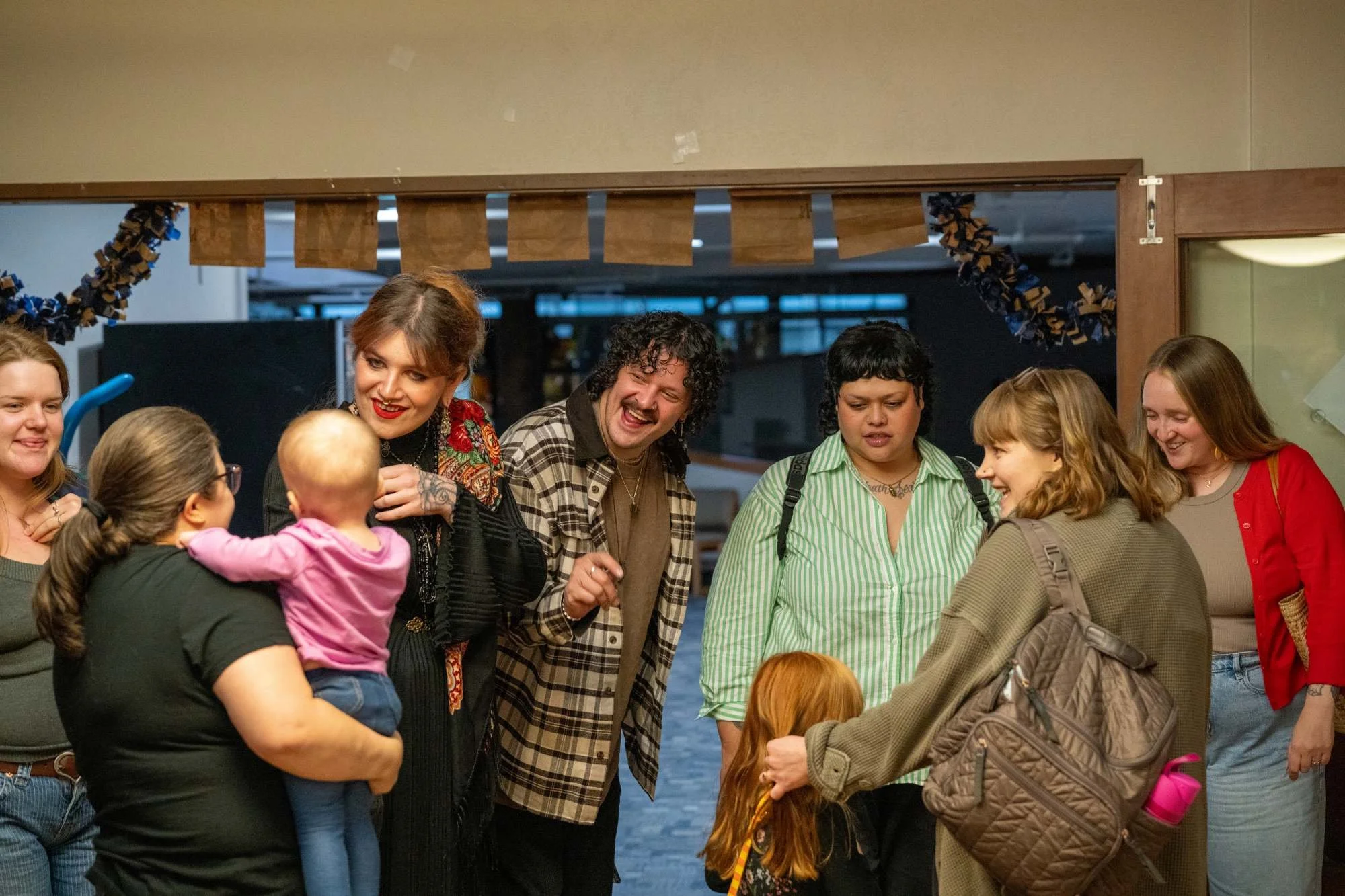
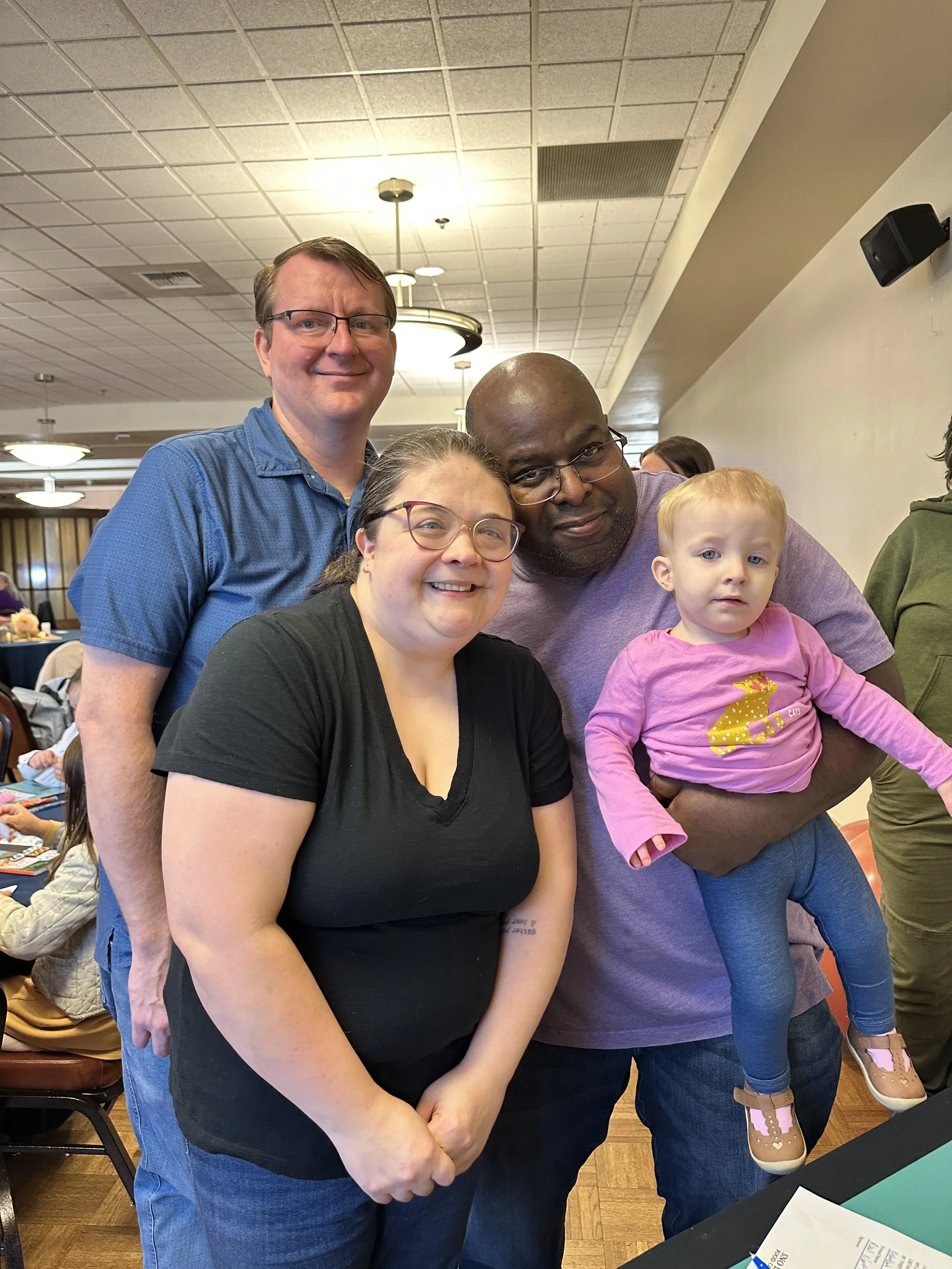
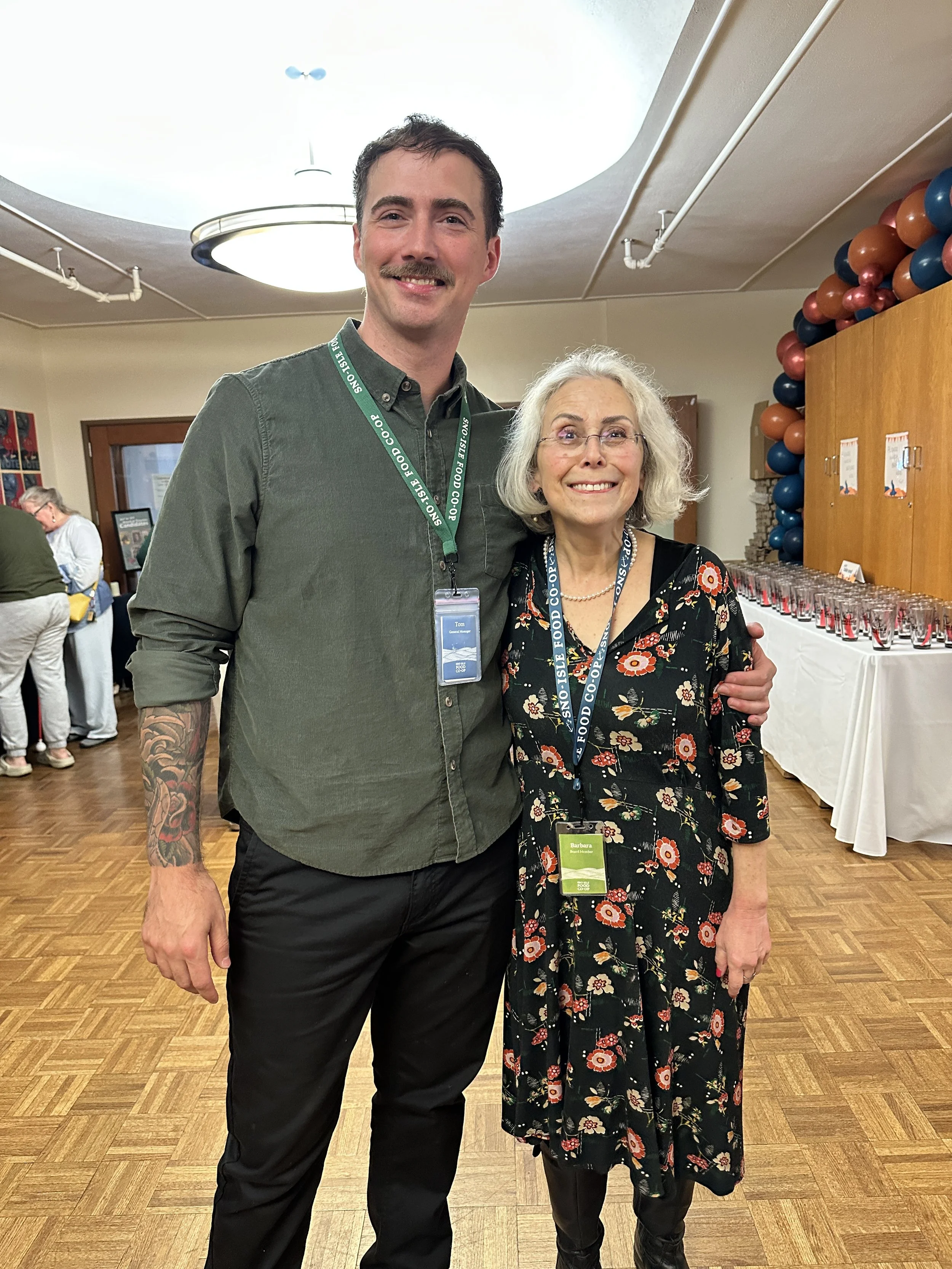
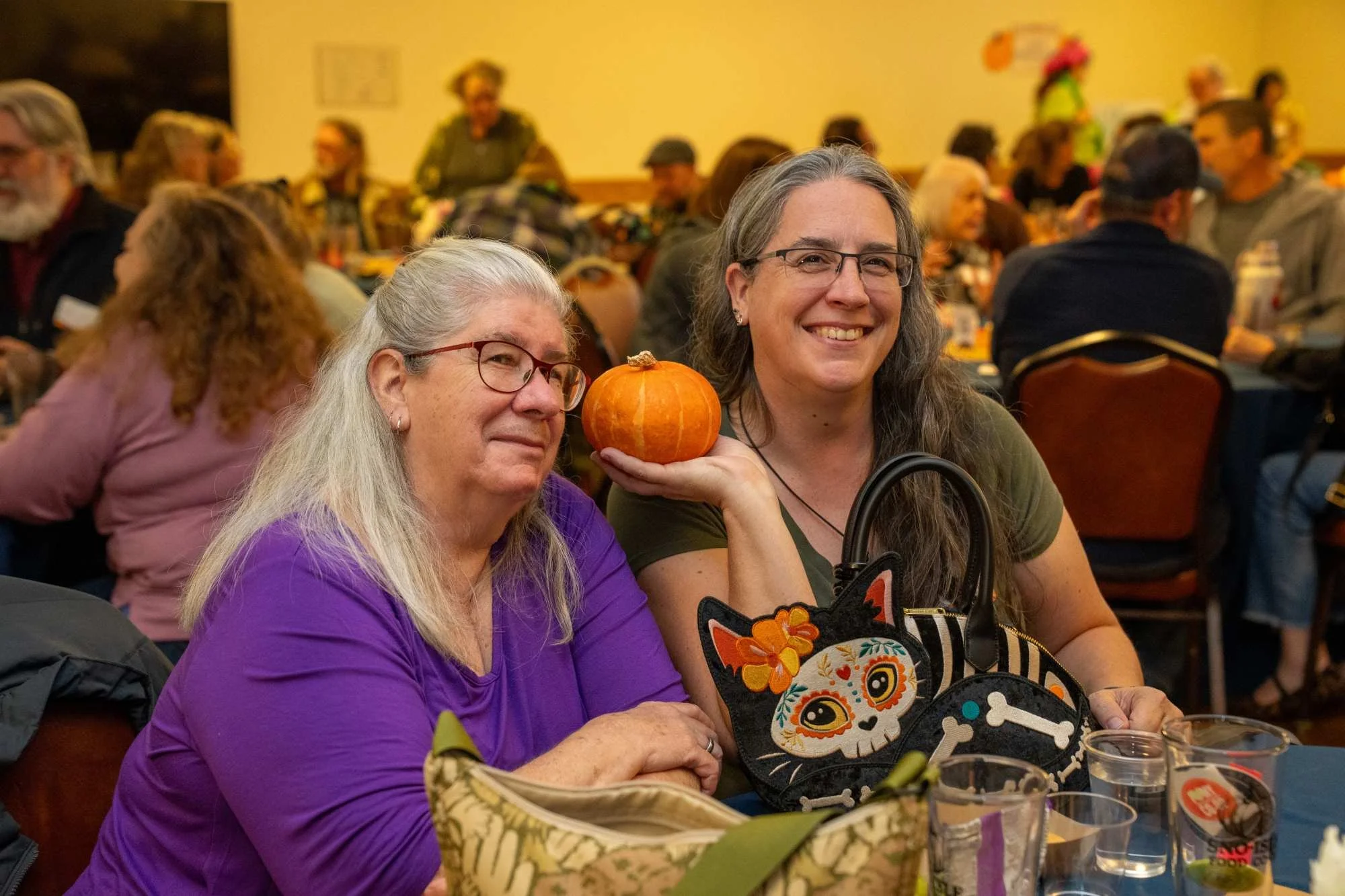
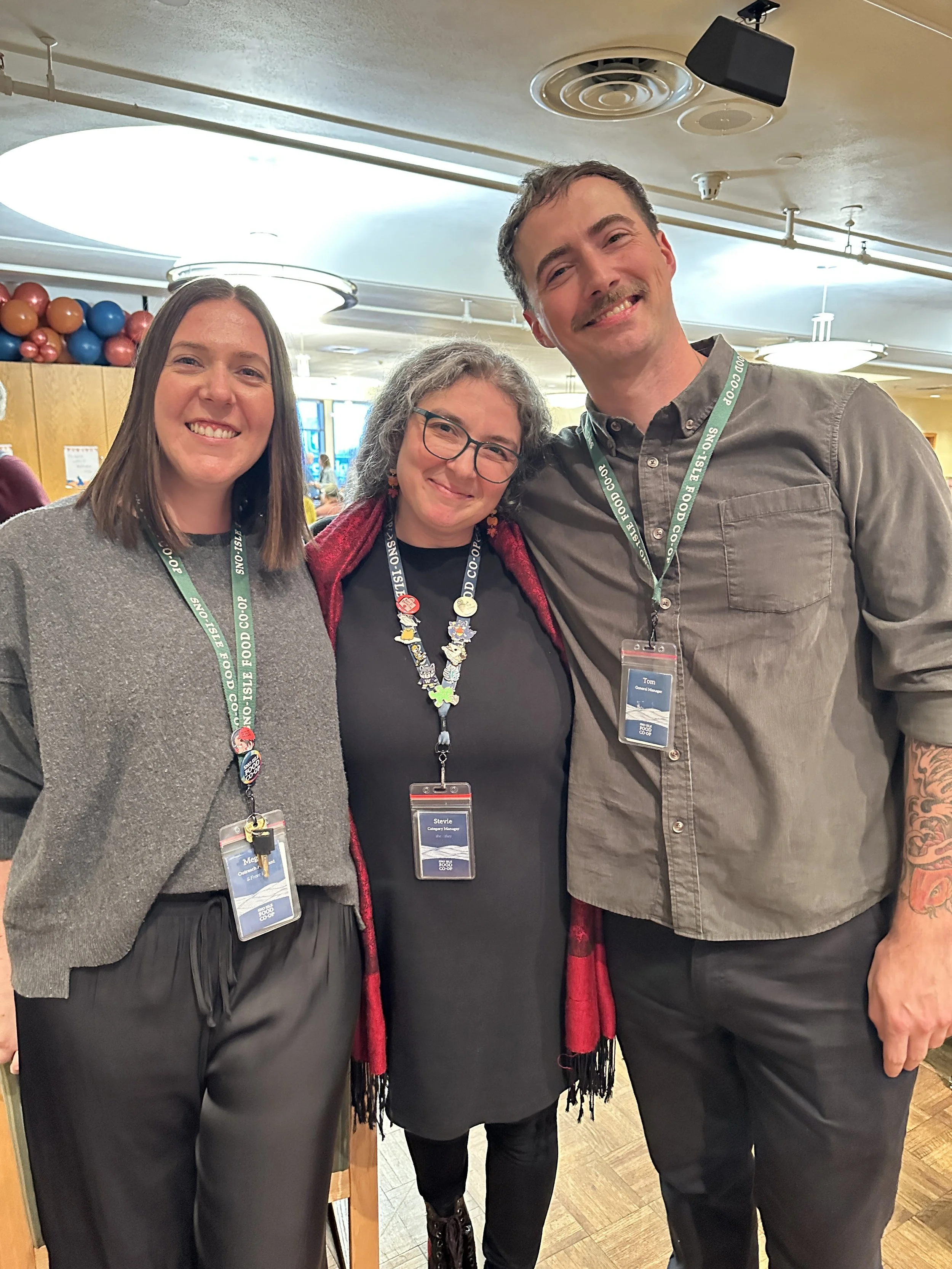
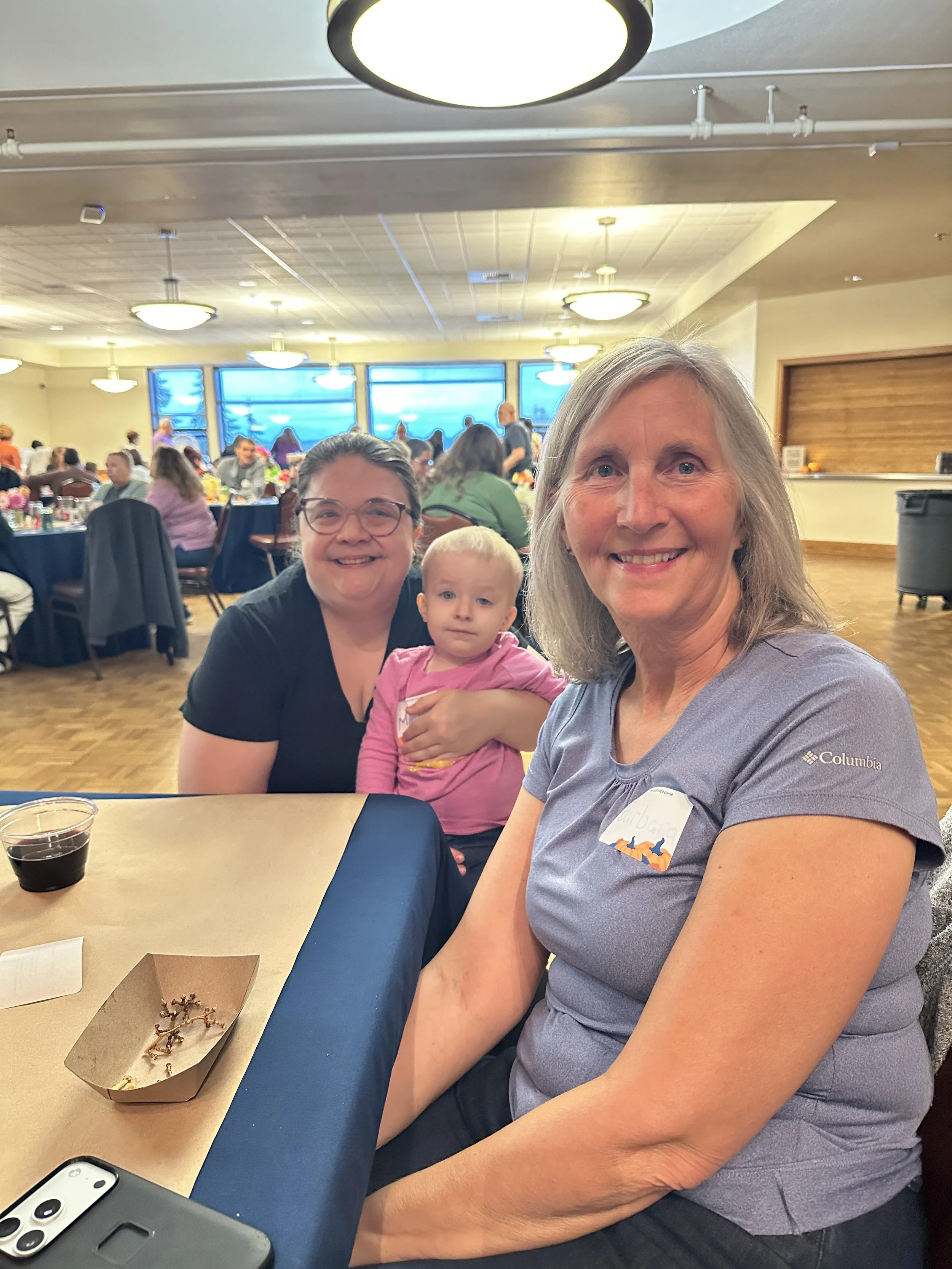
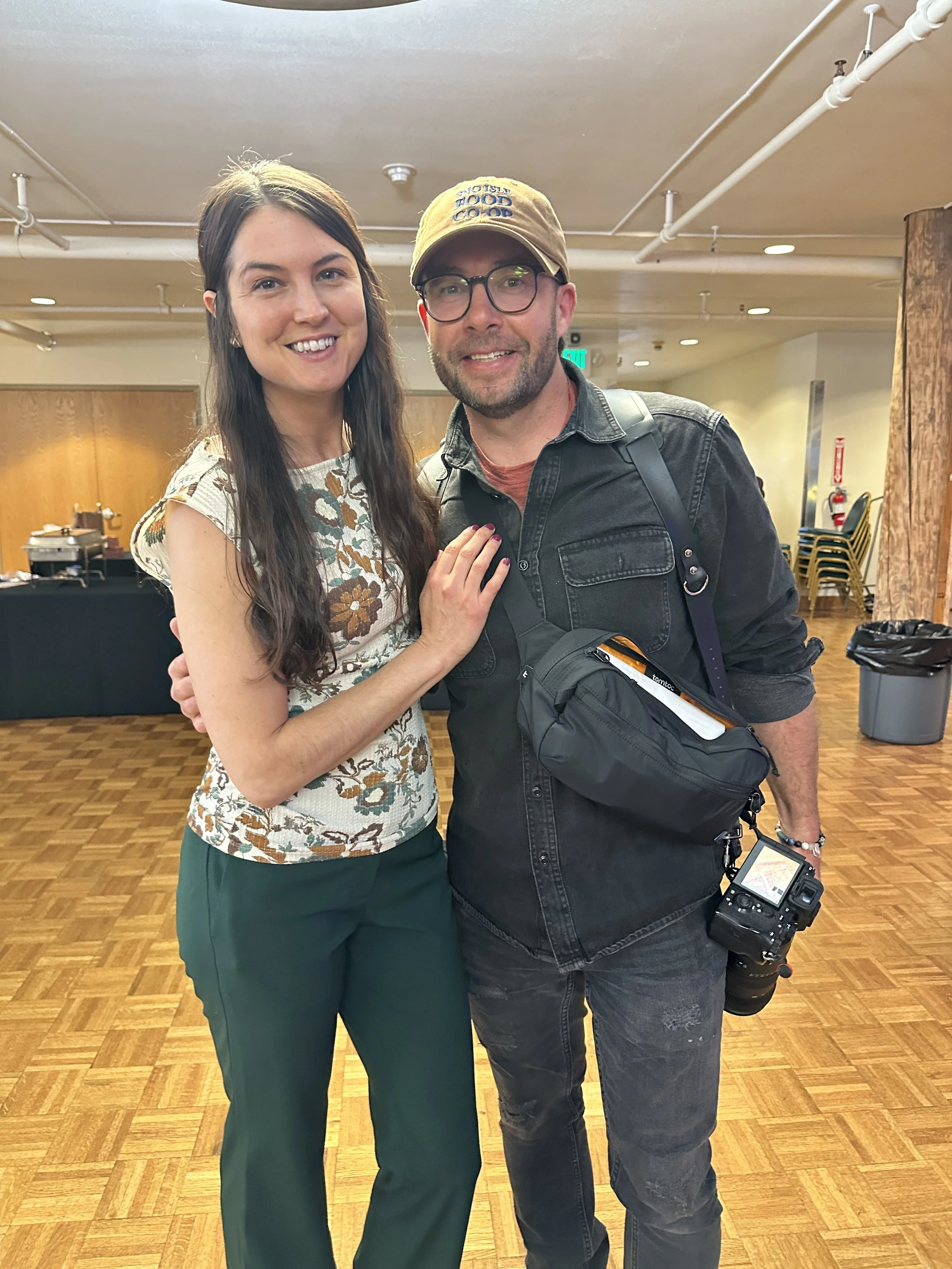
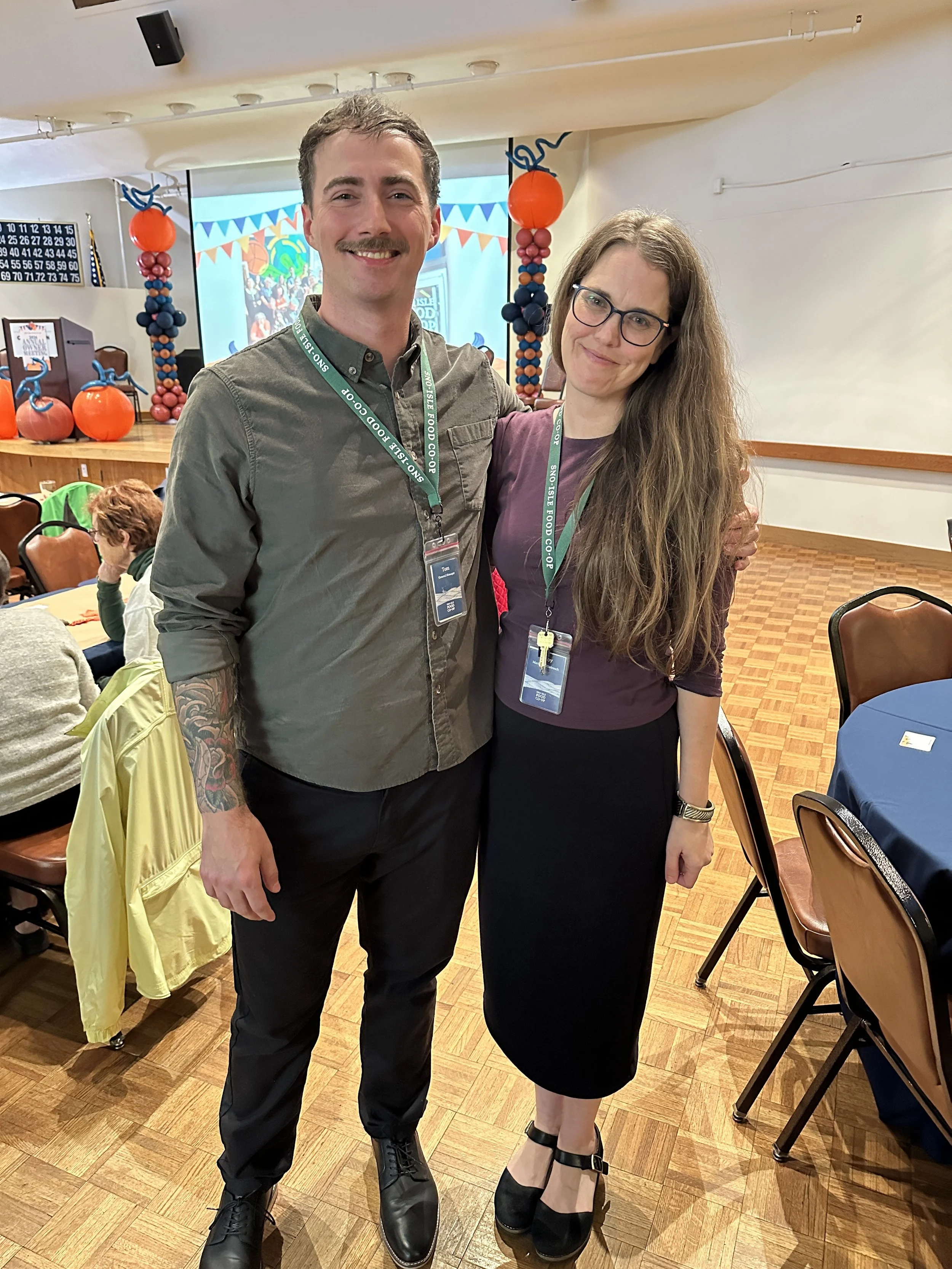
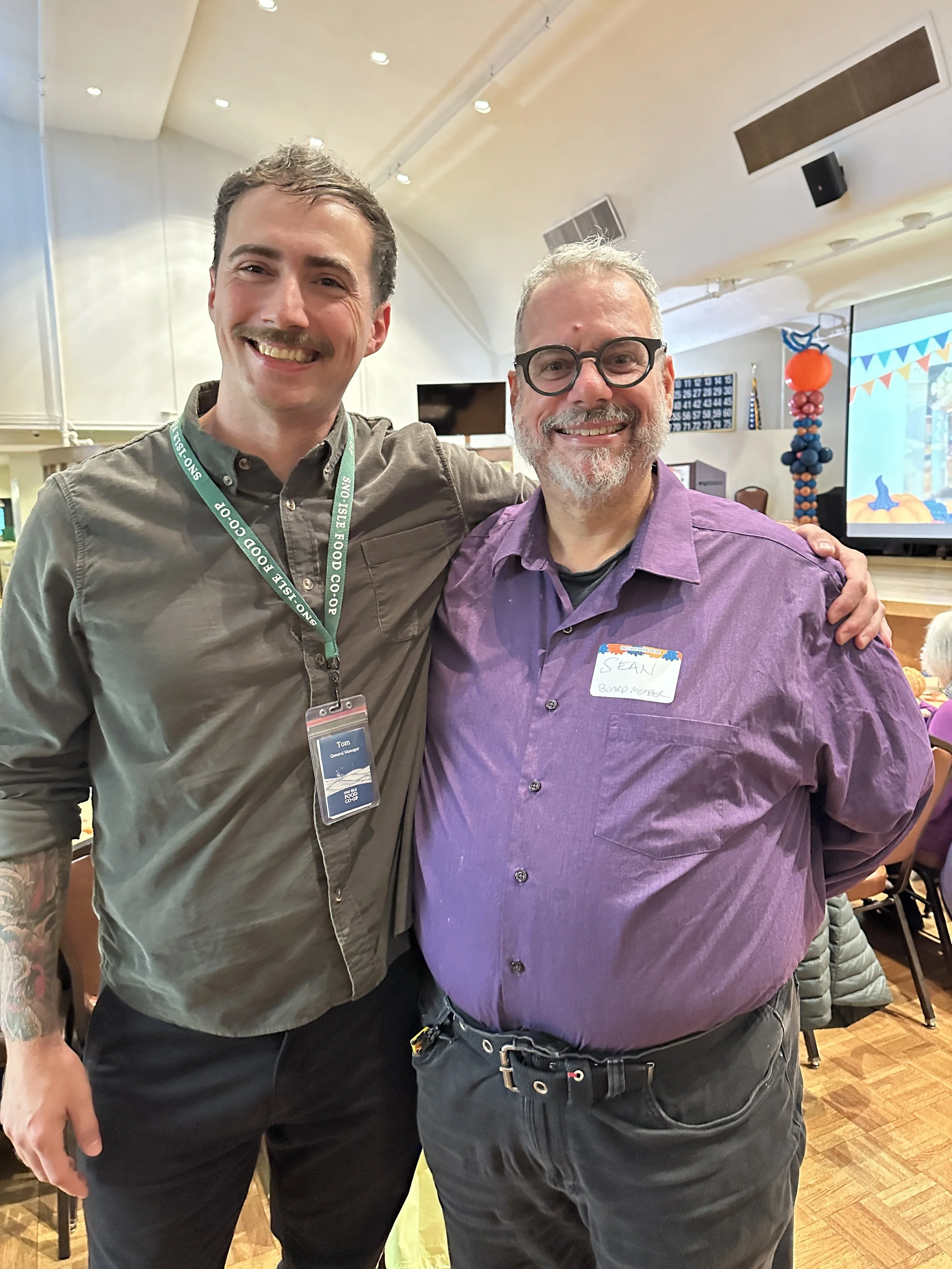
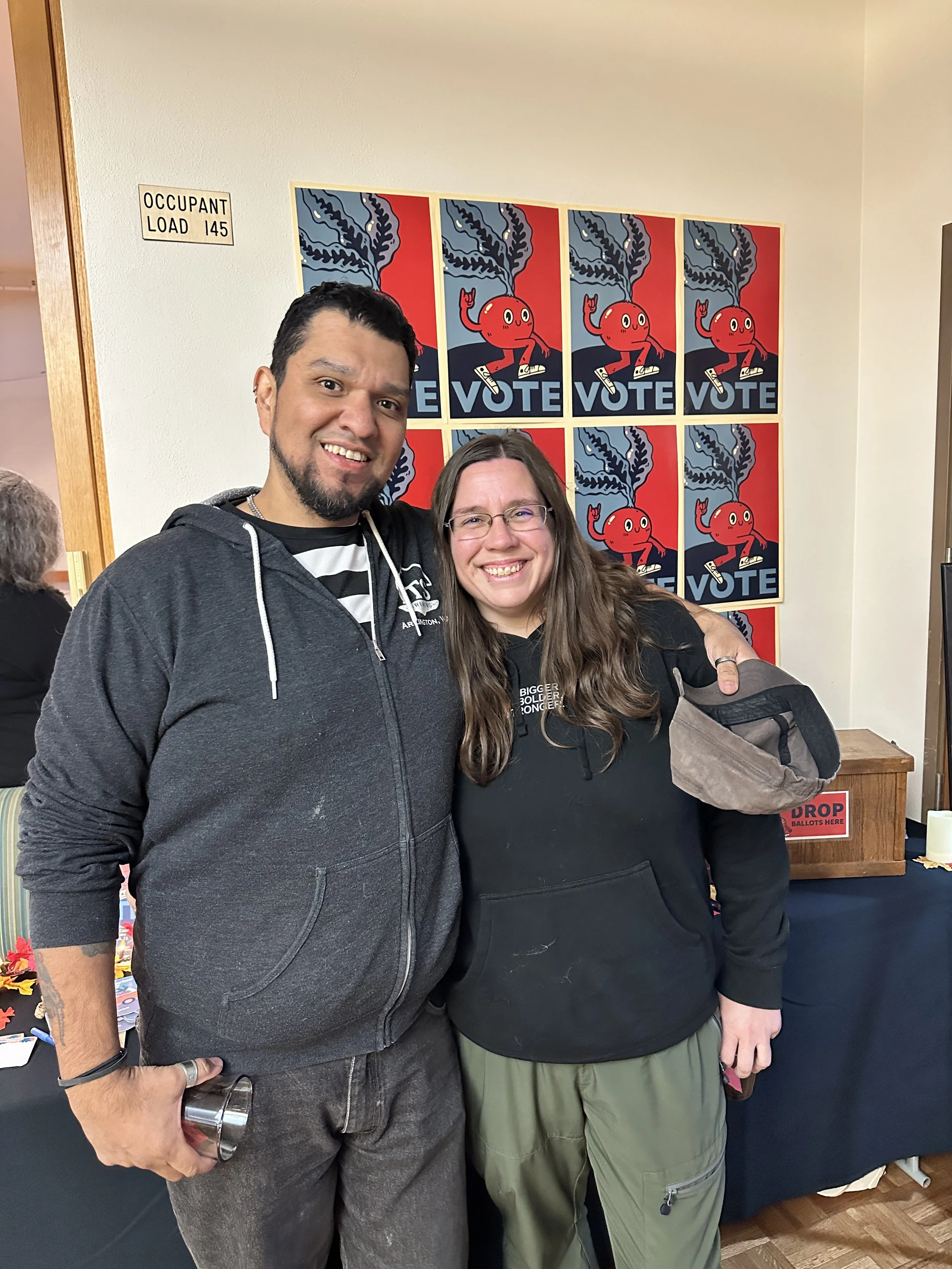
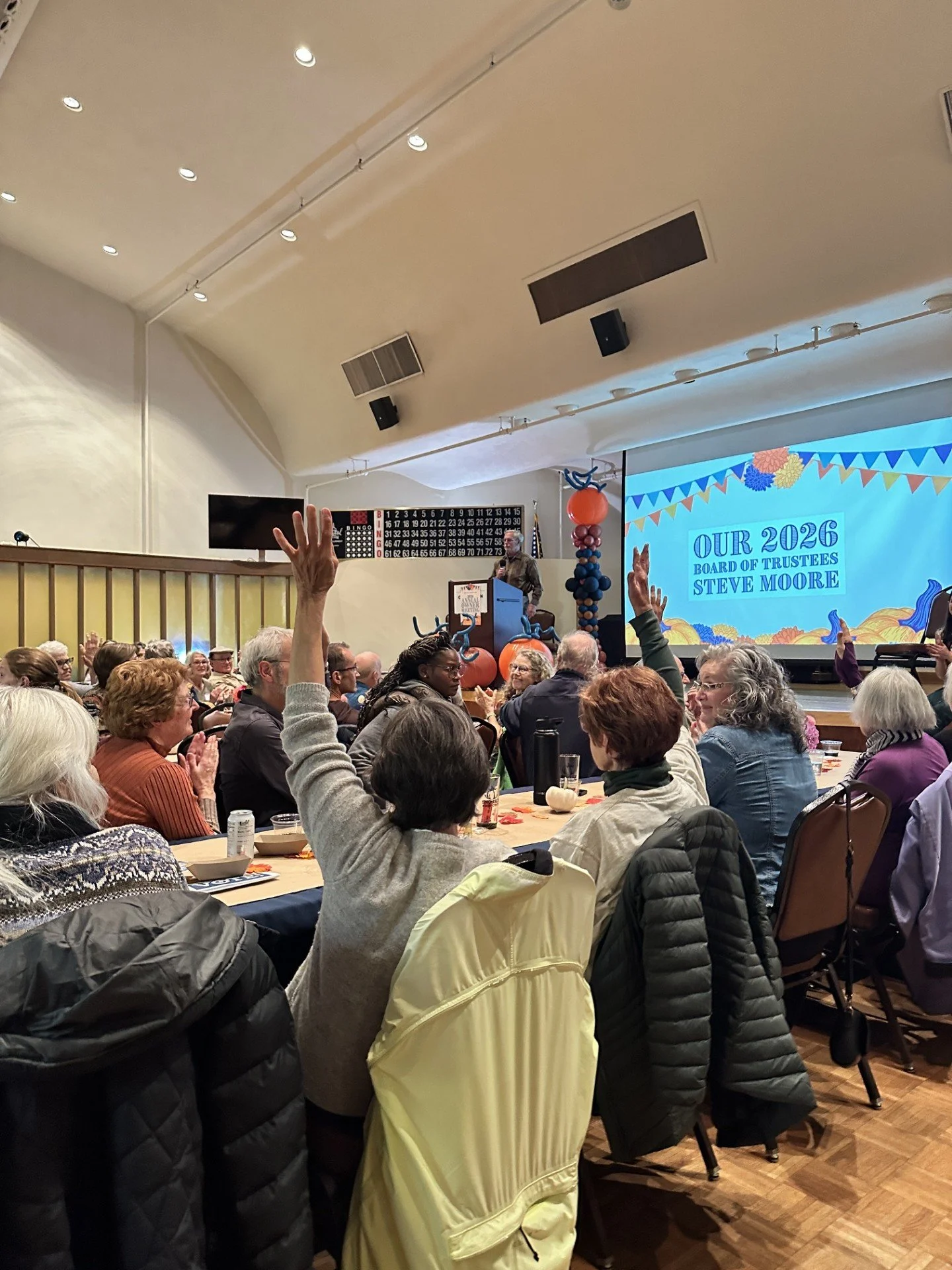
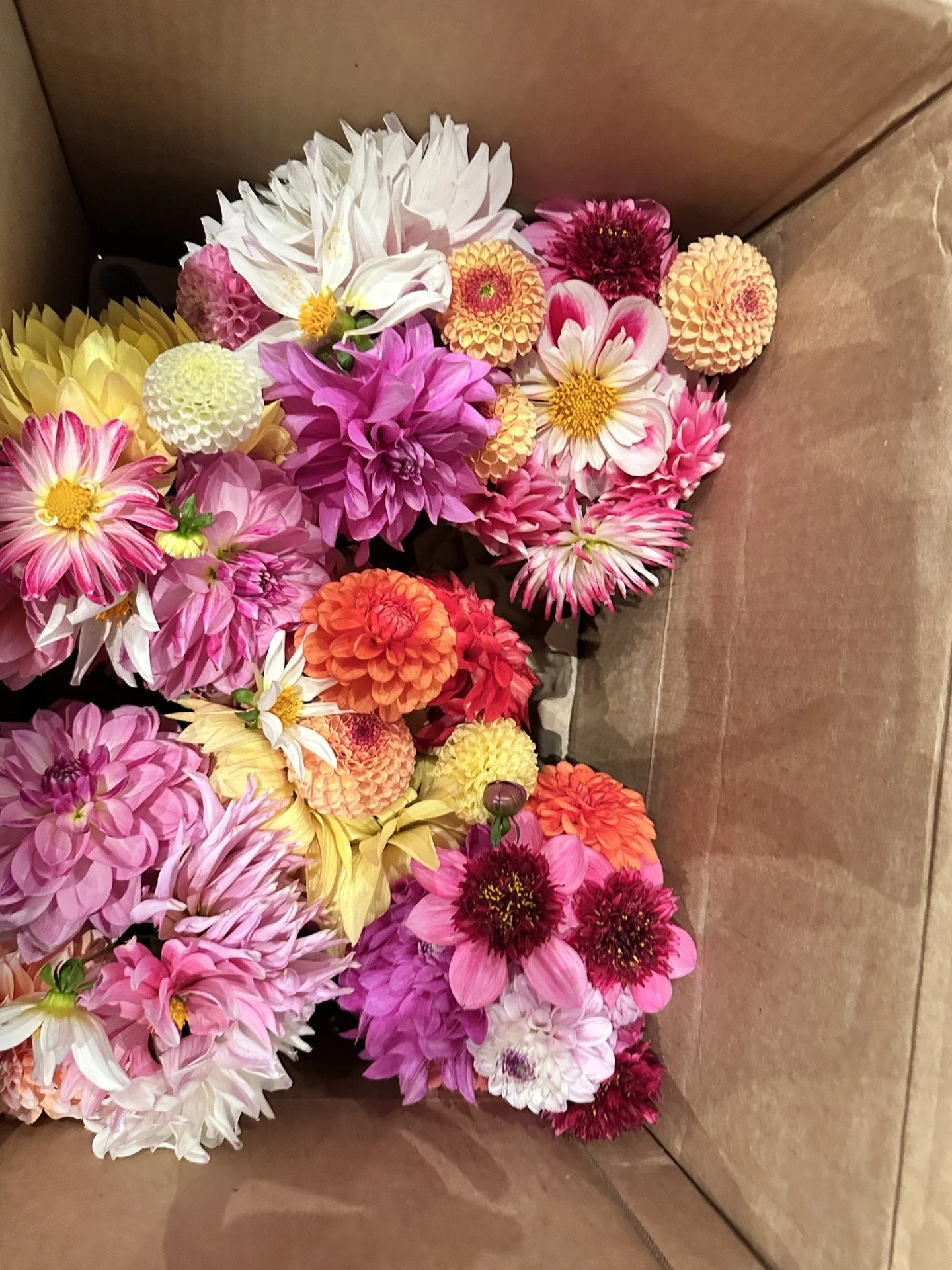
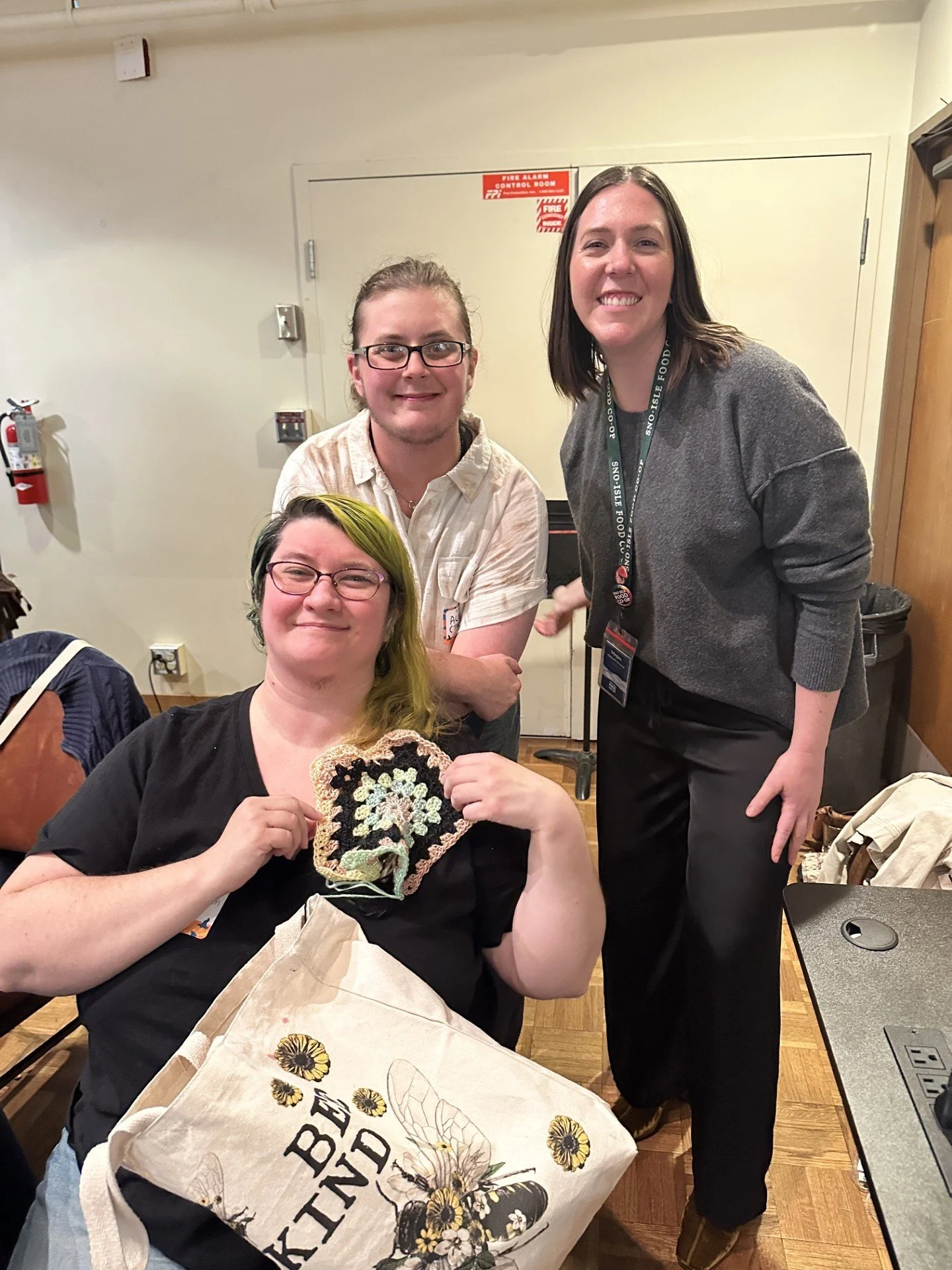
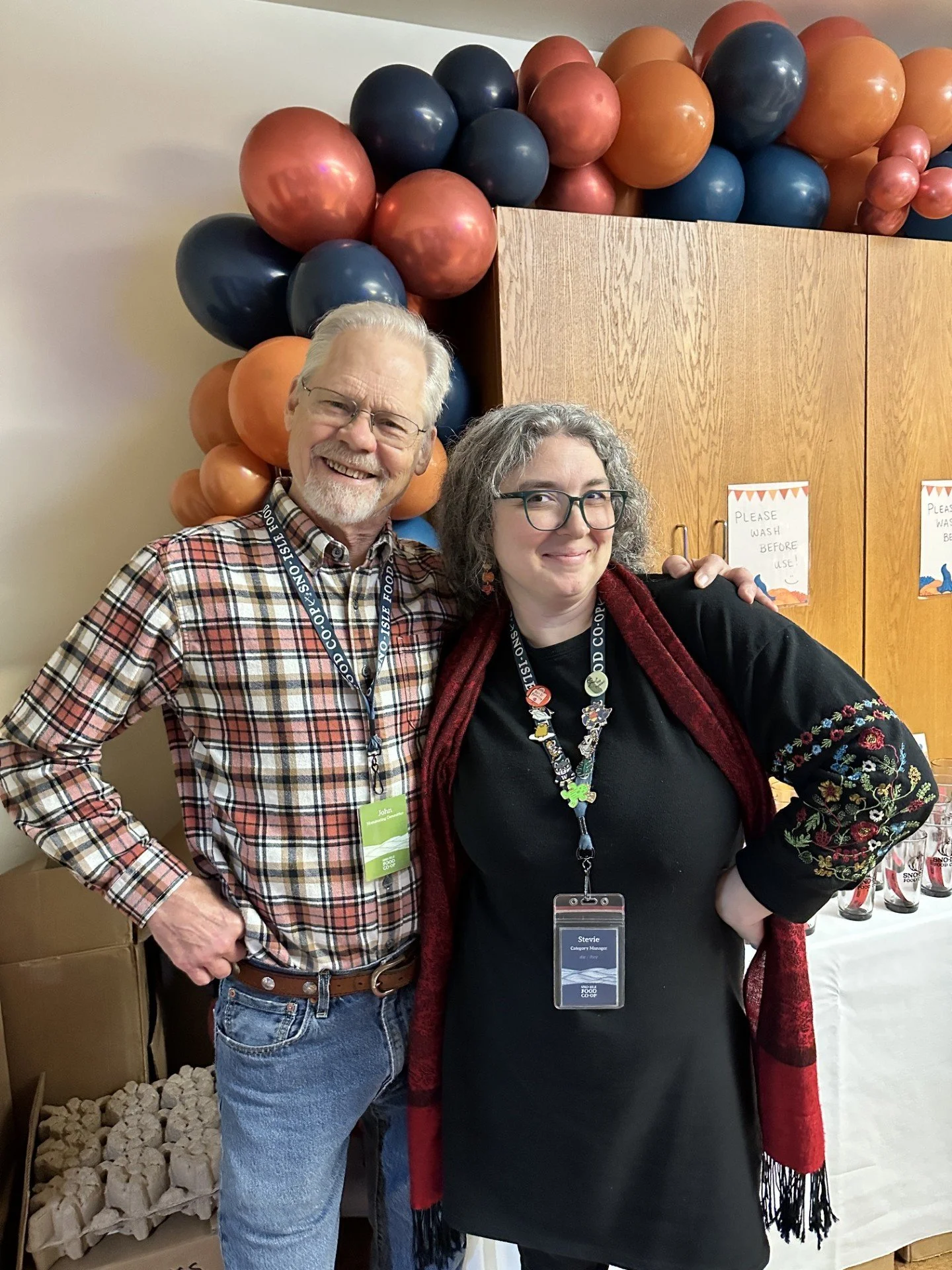
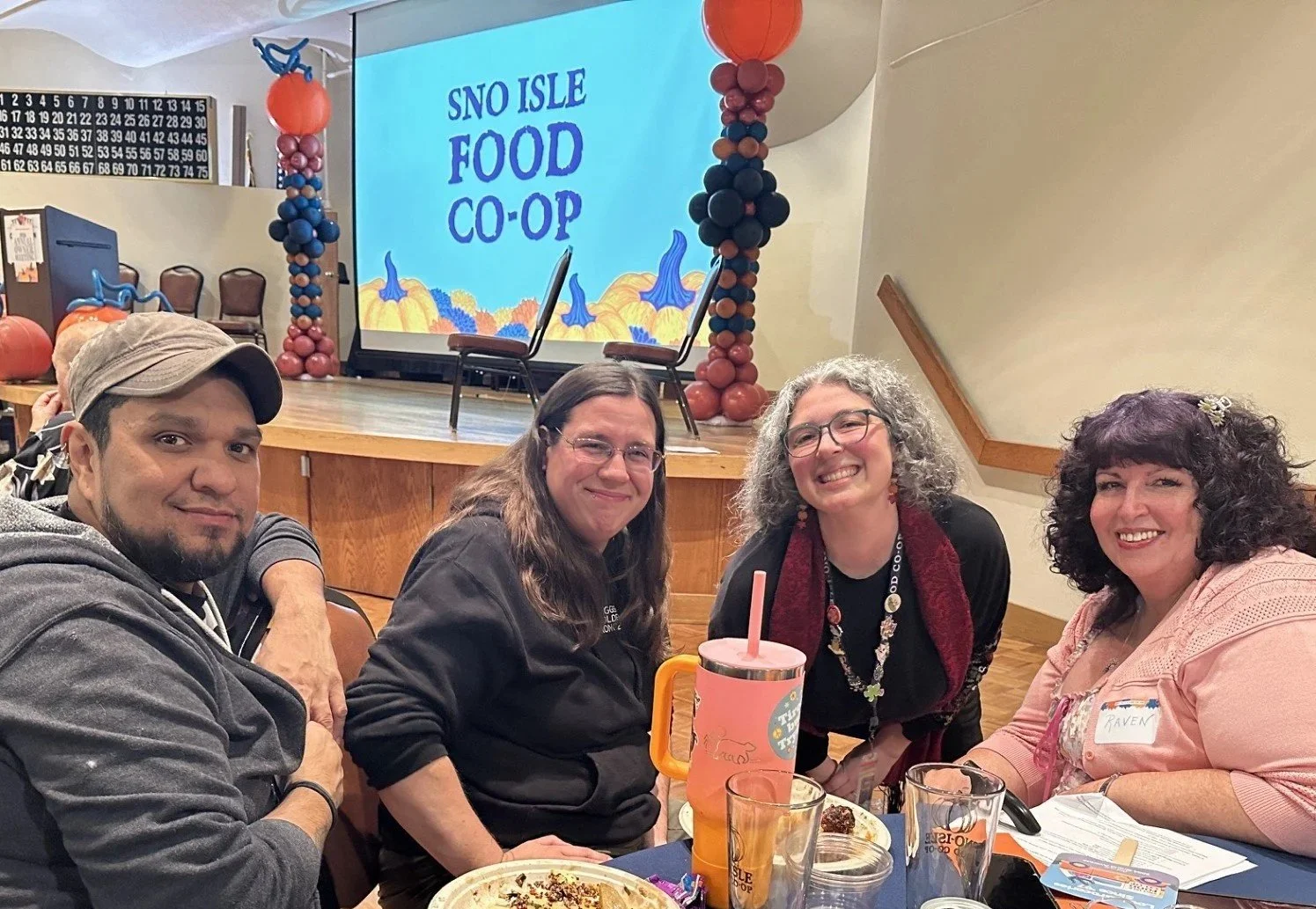
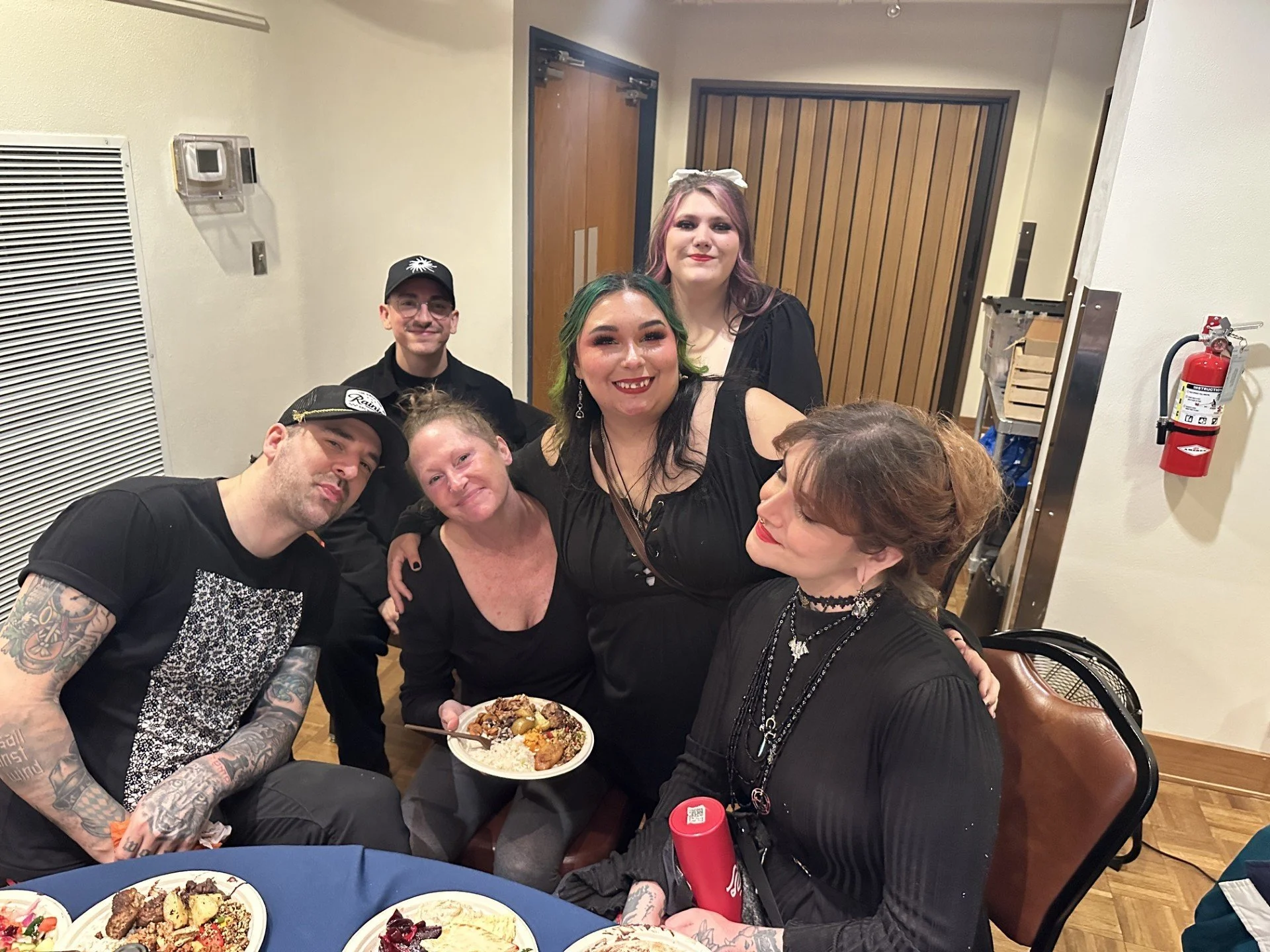
Healthy food matters, local farmers matter, independent business matters, community care matters…all of these reasons and more are what unites us at Sno-Isle Food Co-op. Thank you for celebrating 29 amazing years at our 2026 Annual Meeting.
Looking forward to growing with you all as we embark on the big 3-0!
With gratitude for those that came before us, and hope for those who will inherit the business in years to come - we move forward together. Thank you!
-
Hello, everyone.
For those I haven’t met, I’m Tyler Chism. I currently serve as vice president of the Sno-Isle Food Co-op board.
I’m an owner, an Everett enthusiast, and someone who believes deeply in what cooperatives can do.
Before anything else, I want to recognize Tye, who is wrapping up his service as our board president and completing his term on the board.
Tye has led this organization through a consequential — and, at times, complicated — period. He has given an enormous amount of time, attention, and care to Sno-Isle.
A lot of board work happens where nobody sees it. And when an organization is going through change, that work gets harder.
Tye, thank you for taking that on. Thank you for your leadership, your judgment, and your stewardship of this co-op.
And thank you to all of you for being here tonight.
Because this really is something worth celebrating.
We’re sitting here as the owners of a grocery store.
That sounds normal when you’ve been part of Sno-Isle for a while.
It isn’t.
Most of us spend our lives as customers of institutions somebody else owns.
Here, we’re something more than customers.
And I think that distinction matters — especially right now.
My basic thesis tonight is pretty simple:
At a time when a lot of people feel they have less control over the institutions that shape their lives, the cooperative model gives us a practical way to reclaim some of that agency.
By owning something ourselves.
Together.
That is a powerful idea.
And, frankly, I think we sometimes take it for granted because we happen to express it through groceries.
We walk in, buy some carrots, find out somebody moved the crackers again, and go home.
It feels like retail.
But underneath the retail operation is a fairly profound experiment in ownership.
A group of people voluntarily pooled resources, created an enterprise, established democratic governance, hired professionals to run it, and kept it going for more than three decades.
People chose to do that.
And that part matters to me.
Because one of the freedoms we don’t talk about enough is the freedom to cooperate.
To look around and say:
“There’s something we want in this community.
We can’t build it alone.
So let’s do it together.”
That idea doesn’t fit especially neatly into the political categories we’re used to.
We tend to talk about ownership as though there are only two possibilities: private ownership or public ownership. Markets or government. Individual action or collective action.
But there are many ways people can organize capital and enterprise.
A cooperative is one of them.
It marries individual choice with collective action.
It allows people to participate freely in a market economy while retaining democratic control over an institution they depend on.
Which is why I’ve decided that maybe my political ideology is simply this:
I’m a cooperationist.
I’m only partly kidding.
Because I think cooperatives represent something increasingly valuable: a place where people with very different ideas about the world can still agree to build something together.
If you’re concerned about corporate concentration, community ownership should be interesting to you.
If you’re concerned about government owning or directing too much, it should be interesting to you too.
And if you’re exhausted by political ideology altogether and just want a decent tomato, Sno-Isle remains happy to help.
That common ground matters.
We don’t have to vote the same way.
We don’t have to worship the same way.
We don’t have to live the same way.
But healthy food matters.
Independent farmers matter.
Local businesses matter.
Choice matters.
Community resilience matters.
And we certainly don’t have to agree on everything to own something together.
When the institution we own together happens to be part of our food system, that becomes particularly meaningful.
Food is personal.
What we put into our bodies, what we feed our families, where it comes from, how it’s produced — people care deeply about those things.
Yet the systems behind food have become enormous and increasingly consolidated.
An individual shopper has very little influence over any of it.
A co-op doesn’t magically fix that.
But it gives us a foothold.
It gives local producers a route to market.
It gives our community some say in what kind of grocery institution exists here.
And it gives us the ability to turn values around sourcing, quality, access, and local relationships into an actual operating business.
That is meaningful agency.
And that brings me to where Sno-Isle is today.
Thirty-plus years in, this is not a theoretical exercise.
This organization has been tested.
It has gone through recessions, major changes in the grocery industry, inflation, a pandemic, leadership transitions, staffing challenges, and all of the ordinary and extraordinary difficulties that come with running a real business.
And it’s still here.
That should give us confidence.
Not complacency.
Confidence.
There’s a difference.
We have an organization with history, employees, customers, vendors, owners, operating experience, and a place in this community.
We know the model works.
Now we have to decide what we want to do with it.
Because Sno-Isle is entering another important chapter.
We need a new home to better serve the community through what Sno-Isle offers.
We’re preparing for a capital campaign.
And it would be easy to approach all of that defensively.
We need to move.
We need a building.
We need to raise money.
Those things are true.
But they are not the whole story.
I think this is a much more interesting moment than that.
We have the chance to ask what Sno-Isle should become for the next generation.
What kind of facility would make us a stronger business?
What would allow us to serve more people?
What could we do for local farmers and food producers with more capacity?
How could a new home improve access, education, gathering, and the overall experience of being part of this co-op?
And over time, could what we’ve built here reach farther?
Outside of Everett?
I don’t think we need to answer every one of those questions tonight.
In fact, I hope we don’t.
Part of responsible leadership is knowing the difference between having ambition and pretending you already know the answer.
But this is the moment to think ambitiously.
Because most of us did not start Sno-Isle.
We inherited it.
Other people had the original meetings.
They raised the money.
They negotiated the details.
They built the systems.
They argued about things.
They undoubtedly created subcommittees to argue about the things they had already argued about.
And eventually, they handed us a functioning institution.
And here we are.
Now.
That deserves some humility.
It also gives us a responsibility.
I think stewardship means more than keeping something alive.
It means understanding what was entrusted to you, making it stronger where you can, and then handing it forward.
That is the work in front of us.
And that is why the coming capital campaign matters.
As part of that campaign, owners will have an opportunity to invest, subject to the terms of the offering, and decide whether participation makes sense for them.
But the larger proposition is bigger than the investment itself.
Capital is how things get built.
And one of the interesting things about a cooperative is that we can choose to direct some of our own capital toward an institution we actually want to exist.
An institution that employs our neighbors.
Creates markets for farmers and producers.
Provides access to good food.
Keeps decision-making local.
And remains accountable, ultimately, to the people gathered in rooms like this one.
That is a pretty tangible form of community investment.
So as we enter this next chapter, I hope we resist thinking of ourselves only as shoppers.
We’re owners.
And ownership asks something of us.
It asks us to pay attention.
It asks us to participate.
Sometimes it asks us to invest.
And most importantly, it asks us to think beyond our own immediate use of this place.
Thirty years ago, people in this community decided that they could build a grocery store differently.
They were right.
We are the beneficiaries of that decision.
Now the responsibility shifts to us.
We have an opportunity to find the right home, strengthen the business, expand what this organization can do, and leave the next generation something worthy of the effort that came before us.
And perhaps that’s the larger lesson of the cooperative model.
We don’t have to wait for somebody else to build every institution we want.
Sometimes people can simply come together, organize their resources, and do it themselves.
If we can do that with something as complicated and essential as food, it’s worth asking what else cooperation might make possible.
So I hope we enter this next chapter with confidence.
With gratitude for what we inherited.
With clear eyes about the work ahead.
And with enough ambition to leave Sno-Isle stronger than we found it.
Thirty years from now, somebody else may be standing at an owners meeting talking about this chapter.
I hope they can say:
“The people who came before us understood what they had.
They were willing to invest in it.
They had the courage to make it better.
And they left us something worth owning.”
That’s our opportunity now.
Thank you.
-
You can view this here.
-